• Home
  • About Us
    • Who We Are
    • What We Do
    • Our Supporters
  • About EAD
    • EGPA
    • Eosinophilic Sialodochitis
    • HES
  • What is an EGID?
  • Information
    • Allergy Friendly Foods and Products
    • Allergy Friendly Recipes
    • Books and Magazines
    • Elimination Diet
    • Tips for Christmas
    • Tips for Easter
    • Tips for Halloween
    • Tips for Mealtimes
    • Tips for School
    • Tips for Travel
    • Useful Links
  • Support
    • Virtual Support Group Form
  • Get Involved
    • Donate
    • Fundraise
    • Volunteer
  • Health Professionals
    • Conferences
    • Patient Resources
    • Resources Order Form
    • Subscribe to HP Newsletter
  • Research
    • CEGIR Q and A
    • Clinical Trials
    • Research Projects
  • Contact Us
  • Store
Donate Now

About EAD

What is an Eosinophil-Associated Disease (EAD)?
Eosinophils (pronounced ee-oh-sin-oh-fills) are a type of white blood cell that play a role in certain medical conditions and immune responses. When someone has too many eosinophils in their blood, tissues, organs, or digestive system, without another known cause, they may have an eosinophil-associated disease (EAD). In these conditions, eosinophils can build up and cause inflammation and tissue or organ damage.
There are different types of EADs, and diagnosis usually depends on where in the body the eosinophils are found and what symptoms a person has.
Eosinophilic diseases can significantly affect quality of life and often require ongoing monitoring and long-term management.
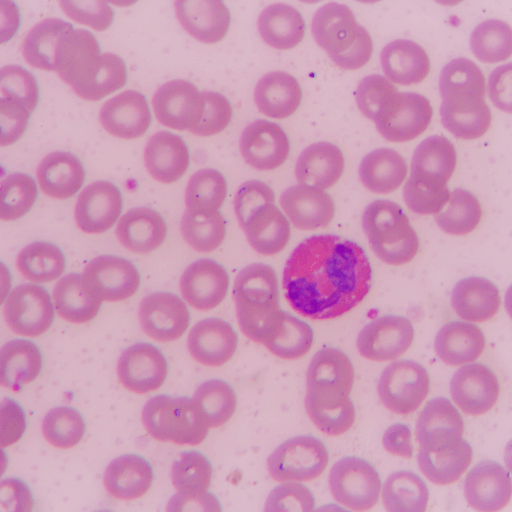
eosinophils under a microscope
We are currently developing new pages for our website about the different types of EADs.
What is an Eosinophilic Gastrointestinal Disease (EGID)?
What is Eosinophilic Granulomatosis with Polyangiitis (EGPA)?
What is Eosinophilic Sialodochitis?
What is Hypereosinophilic Syndrome (HES)?
Useful Links
American Partnership for Eosinophilic Disorders (APFED) - What is an Eosinophil-Associated Disease? EOS Aware - My EAD Stories EOS Network - What is an Eosinophilic-Associated Disease? Improving Care in Eosinophil-Associated Diseases: A Charter Plain Language Summary of principles for improving the care of people with eosinophil-associated diseases RARE Portal - Australia’s growing national resource for rare diseases
Page last modified: 17 December 2025
Donate Now
ausEE Inc. ABN 30 563 569 016 Australia ©2009-2026 The information on this website and any related links is for general information and support purposes only and is not intended as a substitute for professional medical advice from your doctor or other health professional.
Site last updated: 25 February 2026
Sign up for our Newsletter
Thank you!
You will receive our next newsletter.
Error
Bad respond
The content of this website is not influenced by its sponsors and a link to a website or external contact from this site does not imply that it is endorsed by ausEE Inc. This website does not accept or host any paid advertisements. Our Sponsorships and Advertising Policy can be found here. ausEE Inc. acknowledges the Traditional Owners of Country throughout Australia and recognises their continuing connection to land, waters and community. We pay our respects to the Aboriginal and Torres Strait Islander people, the cultures and the Elders past and present. Terms of Use and Privacy Policy

We use cookies to enable essential functionality on our website, and analyze website traffic. By clicking Accept you consent to our use of cookies. Read about how we use cookies.

Your Cookie Settings

We use cookies to enable essential functionality on our website, and analyze website traffic. Read about how we use cookies.

Cookie Categories
Essential

These cookies are strictly necessary to provide you with services available through our websites. You cannot refuse these cookies without impacting how our websites function. You can block or delete them by changing your browser settings, as described under the heading "Managing cookies" in the Privacy and Cookies Policy.

Analytics

These cookies collect information that is used in aggregate form to help us understand how our websites are being used or how effective our marketing campaigns are.